If you manage or own HUD-assisted housing, you’ve probably heard about the new inspection requirements. The NSPIRE Standards replaced the old UPCS and HQS systems. These updated rules focus heavily on resident health and safety. I’ve walked through countless properties helping owners prepare for these inspections. Let me share what you actually need to know to pass.
What Are NSPIRE Standards and Why Do They Matter?
The NSPIRE Standards represent a major shift in how HUD evaluates property conditions. Unlike the old system, these rules prioritize what happens inside living units over cosmetic appearances outside. HUD identified a disproportionate emphasis on the appearance of items that are otherwise safe and functional, and that the inspection standards paid inadequate attention to the health and safety conditions within the inside and outside areas and housing units.
For property owners managing public housing or HUD-assisted units, this means your focus needs to change. The physical condition of resident living spaces now carries the most weight. Standards that are categorized as more severe should have a greater impact on a property’s score when deficiencies exist in the unit. I’ve seen properties fail inspections despite having beautifully maintained grounds because unit interiors had serious problems.
Understanding the Updated NSPIRE Inspection Protocol
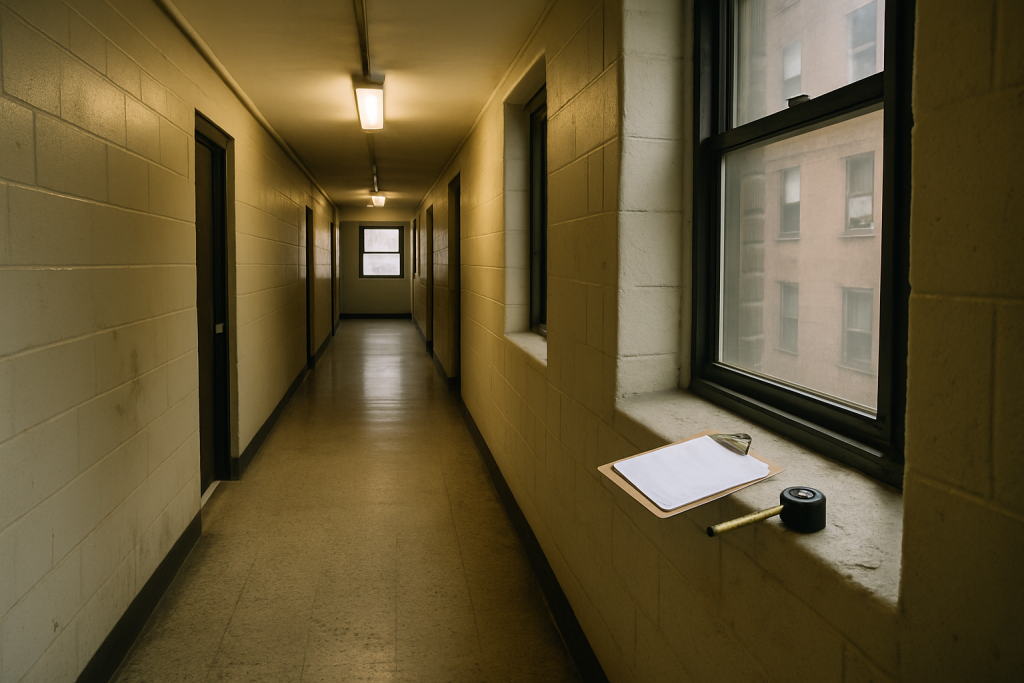
The inspection process covers three main areas. Inspectors examine individual units where residents live. They check inside common areas like hallways and laundry rooms. They also evaluate outside elements, including grounds and building exteriors. The “unit” refers to the interior components of a building, such as bathrooms, kitchens, carbon monoxide and smoke detectors, ceilings, floors, HVAC units, and lighting.
What I tell every client is simple. Unit deficiencies hurt your score more than anything else. Properties with a high number of health and safety defects in units are likely to fail. A building with fewer issues in its apartments scores better than one with more problems. This weighting system completely changed how we prepare for inspections.
The Four Deficiency Categories You Need to Know
Every issue found during an inspection falls into one of four severity levels. The Life-Threatening category includes deficiencies that, if evident in the home or on the property, present a high risk of death to a resident. These require immediate attention within 24 hours.
The Severe category includes deficiencies that pose a high risk of permanent disability, serious injury, or serious illness to a resident. Moderate issues present a risk of adverse health events. Low-deficiency items affect habitability but don’t pose major risks. Here’s what falls into each category:
- Life-threatening: missing smoke detectors, gas leaks, blocked exits
- Severe: broken locks, unsafe railings, major water leaks
- Moderate: damaged outlets, minor structural issues
- Low: cosmetic damage, small cracks, chipped paint
Key Health and Safety Requirements Under NSPIRE Standards
The physical inspections under these regulations examine specific items throughout your property. Housing quality depends on functional systems working properly. Every inspectable component has defined criteria that inspectors use to check it. Each NSPIRE Standard contains “rationales,” or the reason the requirement is necessary.
Life-threatening deficiencies must be addressed within 24 hours of discovery. All other deficiencies must be corrected within 30 days or a reasonable longer period determined by the PHA. From my experience, staying ahead of these issues through regular maintenance saves a lot of headaches. Properties scoring below 60 points fail and face serious consequences.
The requirements also include new pest management standards. While infestation isn’t considered life-threatening, it still triggers Severe ratings. HUD confirms that initiation of an appropriate pest management plan meets the requirement for correction. You don’t need to eliminate every pest immediately, but you must document your active plan.
Fire Safety and Carbon Monoxide Detector Rules
This area trips up more property owners than almost anything else. Fire extinguishers in common areas must be inspected and current. The final Inspection Standards require carbon monoxide alarms to be installed in compliance with the 2018 International Fire Code. Tenant-owned extinguishers won’t be checked during inspections.
For smoke alarms, the new Smoke Alarm Standard incorporates prescriptive locations for installation, as defined by the NSPIRE standard code 72. This includes the need for a smoke alarm on each level of a property and inside each sleeping area. Battery requirements have also changed significantly.
Carbon monoxide detection follows specific rules, too. The Final Standard incorporates statutory requirements for HUD housing to comply with chapters 9 and 11 of the 2018 International Fire Code. Units with fuel-burning appliances or attached garages need properly placed detectors. These deficiencies count as life-threatening when missing.
How NSPIRE Standards Differ for Housing Choice Voucher Programs
The Housing Choice Voucher program operates differently from public housing inspections. NSPIRE retains a pass/fail indicator for the HCV and PBV programs. Rather than receiving a numerical score, these properties either meet requirements or they don’t. This makes preparation equally important.
For voucher properties, HUD extended compliance dates multiple times. HUD has extended the compliance date for scoring affirmative requirements for public housing and Multifamily Housing programs to October 1, 2026. Some requirements, like GFCI outlets and guardrails, won’t affect scores until that date. However, inspectors continue to cite these items and require corrections.
Preparing Your Property to Pass NSPIRE Standards
To get through the tough NSPIRE Standards, Start by conducting thorough self-inspections of all units annually. Walk through every apartment looking specifically for the deficiencies outlined in the regulations. Check detector placement and functionality carefully. Test all safety equipment, including fire doors, if your building has them. Document everything you find and fix.
Train your maintenance staff on what counts as each severity level for the NSPIRE standards. A cracked outlet cover is a Moderate deficiency. That’s an easy fix before inspection day arrives. Encourage residents to report problems immediately so small issues don’t become major inspection deductions. The properties I’ve seen succeed treat this as an ongoing process.
If you are a larger operator, planning should include standardization to reduce site-by-site interpretation and last-minute spending. Create checklists based on current inspection criteria. Stay updated on HUD notices, as requirements continue to evolve. Properties that proactively prepare to avoid costly failures and protect their funding long-term.

Frequently Asked Questions
What happens if my property fails an NSPIRE Standards inspection?
Properties scoring below 60 get designated as substandard by HUD. You’ll need to survey all units, not just the inspected sample. Life-threatening and Severe issues must be corrected within 24 hours. Moderate and Low problems need to be fixed within 30-60 days. Continued failure can result in monetary penalties or the withholding of subsidies.
How often do NSPIRE inspections occur?
HUD typically schedules inspections every one to three years, depending on previous scores. Properties with lower scores may face more frequent inspections. Property owners and PHAs must also conduct annual self-inspections of all units. This helps catch problems before HUD arrives.
Do the NSPIRE Standards apply to all HUD programs?
Most HUD-assisted programs follow these requirements, but there are variations. Public housing and multifamily properties receive numerical scores. Housing Choice Voucher properties use pass/fail criteria. Some Community Planning and Development programs have compliance dates extended to October 2026.
What are affirmative requirements under the new system?
Affirmative requirements are specific items that must be present and functioning. These include proper smoke alarms, carbon monoxide detectors where required, GFCI outlets near water sources, and adequate lighting. Some affirmative requirements won’t affect scoring until October 2026.
Can I appeal an NSPIRE Standards score I disagree with?
Yes, HUD has an appeal process for disputed findings. You’ll need to provide documentation showing the inspector made an error or that the issues were already corrected. Appeals must be filed within specific timeframes after receiving your inspection report.
Where can I find the complete list of inspection standards?
HUD publishes all current requirements on its official website. The HUD Exchange also provides training materials, checklists, and guidance documents. I recommend downloading the full standards document and inspector protocol to understand exactly what gets evaluated.