
NSPIRE Inspection Cost in Chicago (2026 Guide): What Property Owners Should Expect
May 6, 2026
- By
- Reac Nspire Pros
- NSPIRE Inspection Specialists
At Reac Nspire Pros, we’ve been helping property owners navigate NSPIRE inspection cost in Chicago for years of experience, and we’ve seen how confusing pricing and compliance requirements can be. This guide is designed to help you evaluate your options, understand what drives costs, and avoid preventable violations before a HUD inspector walks your property. If you’re budgeting for an upcoming inspection, start by reviewing how the process works in our NSPIRE inspection checklist guide. Too many owners assume NSPIRE is “just another REAC inspection.” One Chicago housing provider learned the hard way – minor life-safety issues like missing GFCI protection and inoperable smoke alarms resulted in a failed score, delayed subsidy payments, and costly re-inspections. Understanding what you’re paying for – and what’s at risk – makes the difference between a smooth inspection and financial setbacks.
Local and State Requirements Property Owners Must Meet
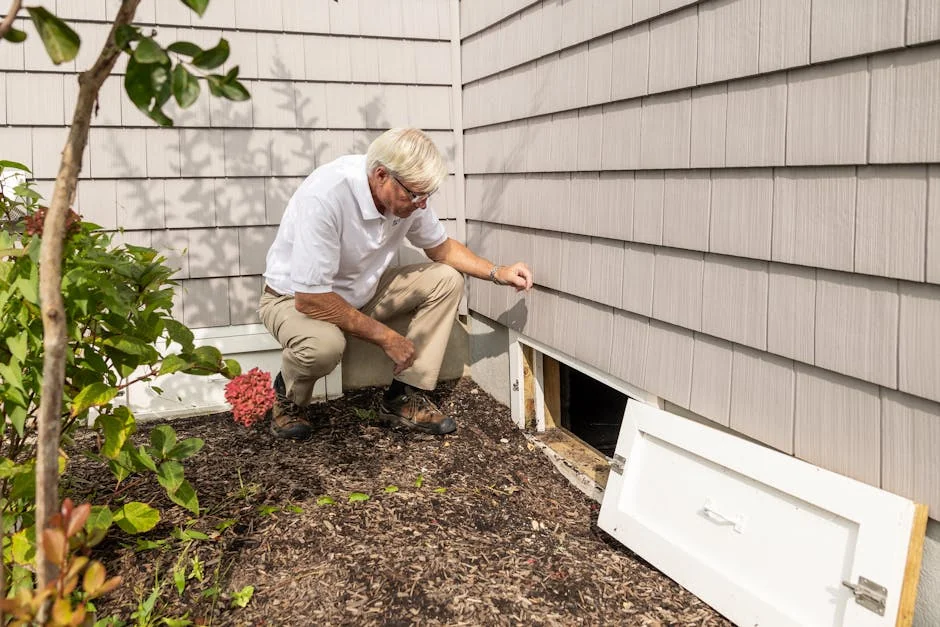
Chicago’s aging housing stock, freeze – thaw masonry cycles, and dense multifamily buildings increase the likelihood of life-safety violations that directly affect NSPIRE scoring. While NSPIRE is a federal HUD program, inspectors frequently cite conditions that also violate Chicago and Illinois codes. Failing local requirements can lead to municipal fines in addition to HUD penalties.
- Chicago Municipal Code Title 13 – Building, Construction and Rehabilitation (Chapter 13-196) – Requires safe maintenance of exterior walls, handrails, porches, and structural elements. Deteriorated masonry or missing guardrails can trigger city violations and negatively impact NSPIRE safety scoring. Consequences include daily fines and mandatory repairs.
- Illinois Administrative Code Title 77, Part 890 – Smoke and Carbon Monoxide Alarm Requirements – Mandates operable smoke alarms and CO detectors in residential occupancies. Non-compliance creates immediate life-safety deficiencies under NSPIRE and may result in municipal citations and liability exposure.
- Chicago Municipal Code Title 15 – Fire Prevention (Chapter 15-16) – Governs fire protection systems, extinguishers, and egress safety. Blocked exits or unmaintained extinguishers commonly appear in NSPIRE findings. Violations can lead to fines and forced re-inspection.

Questions to Ask Before Scheduling Your Inspection
NSPIRE preparation follows a structured path, and understanding it helps you forecast cost accurately. We recommend asking any consultant:
- Do you perform unit-by-unit walkthroughs using HUD’s latest NSPIRE scoring categories?
- Will you test devices (GFCI, AFCI, smoke alarms) or only perform visual checks?
- Do you provide photo documentation and deficiency prioritization?
- Property-wide common area assessment
- Randomized unit sampling aligned with HUD methodology
- Life-safety testing and moisture evaluation
- Written report with severity ranking
- Site complexity and building age
- Material and labor availability in Chicago
- Total scope of units and corrective repairs
Get Clarity Before Your NSPIRE Inspection
Preparing for NSPIRE is ultimately about protecting your revenue stream and resident safety. A failed inspection can delay payments, trigger corrective action plans, and damage your compliance record. We help property owners identify high-risk deficiencies early, prioritize repairs, and document corrections in alignment with HUD standards and Chicago code requirements. If you’re planning for an upcoming inspection or recovering from a low score, now is the time to evaluate your property with a structured approach. Our team provides detailed walkthroughs, scoring analysis, and practical repair guidance so you can move forward with confidence. Schedule a consultation and get a clear understanding of where your property stands before HUD arrives.

FAQs
What is included in NSPIRE Inspection Cost in Chicago (2026 Guide)?
NSPIRE inspection cost in Chicago typically includes a comprehensive pre-inspection walkthrough aligned with HUD’s NSPIRE standards. This involves unit sampling, testing of life-safety devices such as smoke and carbon monoxide alarms, GFCI outlet verification, handrail and guardrail checks, and evaluation of plumbing, electrical, and HVAC components. We also document deficiencies with photos and categorize them by severity to reflect HUD scoring priorities. In Chicago, older masonry buildings and vintage electrical systems often require closer examination. Moisture intrusion from freeze – thaw cycles and outdated breaker panels are common findings that affect scores. A complete service should also include a written corrective action plan and guidance on local code compliance. Without that level of detail, property owners risk missing hidden deficiencies that could reduce their NSPIRE score or delay subsidy payments.
How is NSPIRE different from the old REAC inspections?
NSPIRE replaces the former REAC model and shifts focus heavily toward resident health and safety. Under NSPIRE, life-threatening conditions such as exposed conductors, gas leaks, mold-like substance, and inoperable smoke alarms carry more weight in scoring. Inspectors also evaluate inside units more rigorously than before. For Chicago property owners, that means issues like missing CO detectors required under Illinois law or deteriorated porch railings governed by the Chicago Municipal Code can significantly impact results. The scoring methodology is more condition-based and less cosmetic. Properties that previously passed REAC with minor deferred maintenance may now face point deductions under NSPIRE if those conditions create safety risks. Preparing under the old mindset often leads to unexpected failures.
How much does NSPIRE preparation typically cost in Chicago?
Preparation costs may vary depending on building size and condition. Smaller multifamily properties might see costs typically start around $1,500 and range up to $3,500. Mid-size properties often fall between $4,000 and $9,000. Larger or more complex developments can exceed $15,000 when multiple site visits and extensive sampling are involved. Pricing fluctuates based on:
- Site complexity and building age
- Material and labor costs in Chicago
- Total scope of units inspected and repairs required
Can property owners prepare for NSPIRE inspections themselves?
Owners can handle basic housekeeping items, such as ensuring clear egress paths, replacing missing outlet covers, or installing fresh smoke alarm batteries. However, NSPIRE scoring involves technical interpretation of HUD standards and proper testing methods. For example, verifying GFCI functionality requires a receptacle tester, not just pressing the reset button. Water heater temperature and pressure relief valves must discharge through approved piping, not capped lines. In Chicago’s older buildings, hidden issues like masonry cracks or aging branch wiring may not be obvious during a casual walkthrough. Professional preparation reduces the risk of overlooked deficiencies. DIY efforts can help with minor corrections, but relying solely on them often leads to missed safety findings that cost more during re-inspection.
What are common warning signs that a property may fail NSPIRE?
Frequent warning signs include inoperable smoke or carbon monoxide alarms, loose stair handrails, damaged guardrails, exposed wiring, persistent plumbing leaks, and signs of mold-like growth around windows or bathrooms. In Chicago, freeze – thaw cycles often cause exterior masonry cracks that allow moisture infiltration, which may translate into interior damage. Other red flags include blocked electrical panels, improper extension cord use, and missing GFCI protection near sinks. Regular quarterly maintenance inspections help identify these issues before HUD arrives. Keeping maintenance logs and testing devices monthly provides documentation that supports compliance. Waiting until inspection week to address long-standing issues increases the risk of compounded deficiencies and lower scores.
What problems are most common in Chicago properties?
Chicago’s housing stock includes many pre-1978 brick buildings and vintage courtyard apartments. Common problems include deteriorated tuckpointing, aging cast-iron plumbing stacks, outdated fuse panels, and insufficient insulation leading to condensation issues. Exterior porches and rear stair assemblies are also frequently cited when guardrails or stringers show decay. Cold winters and humid summers accelerate material wear. Moisture intrusion around parapet walls and window lintels often leads to interior ceiling damage, which NSPIRE inspectors may classify as health or safety concerns if active leaks exist. Addressing these climate-driven issues early prevents larger structural repairs and reduces the likelihood of compounded inspection findings.
What should I look for when hiring an NSPIRE consultant?
Look for a team familiar with HUD’s current NSPIRE standards and Chicago building regulations. Ask whether they conduct physical testing of devices, provide photo-documented reports, and understand local code requirements under the Chicago Municipal Code and Illinois alarm regulations. Verify proof of insurance and experience with multifamily housing. A qualified consultant should also explain scoring methodology and prioritize life-safety items first. Request sample reports to confirm clarity and organization. Choosing a provider who coordinates with licensed contractors for corrective work streamlines the process. Hiring based solely on price often results in incomplete evaluations that miss costly deficiencies.
When should I schedule NSPIRE preparation before inspection?
Schedule preparation at least 60 – 90 days before your anticipated HUD inspection window. This timeline allows for discovery, contractor scheduling, permit approvals if required, and follow-up verification. In Chicago, contractor availability and weather conditions can affect repair timelines, especially for exterior masonry or porch work. If you receive notice of inspection sooner, prioritize life-safety testing immediately – smoke alarms, CO detectors, electrical hazards, and egress conditions. Document all corrective actions with photos and dated invoices. While NSPIRE is not an emergency service, delaying preparation increases the chance of rushed repairs and incomplete documentation. Early planning provides flexibility and reduces stress as inspection day approaches.