
NSPIRE consulting
Passing once is not the same as staying compliant
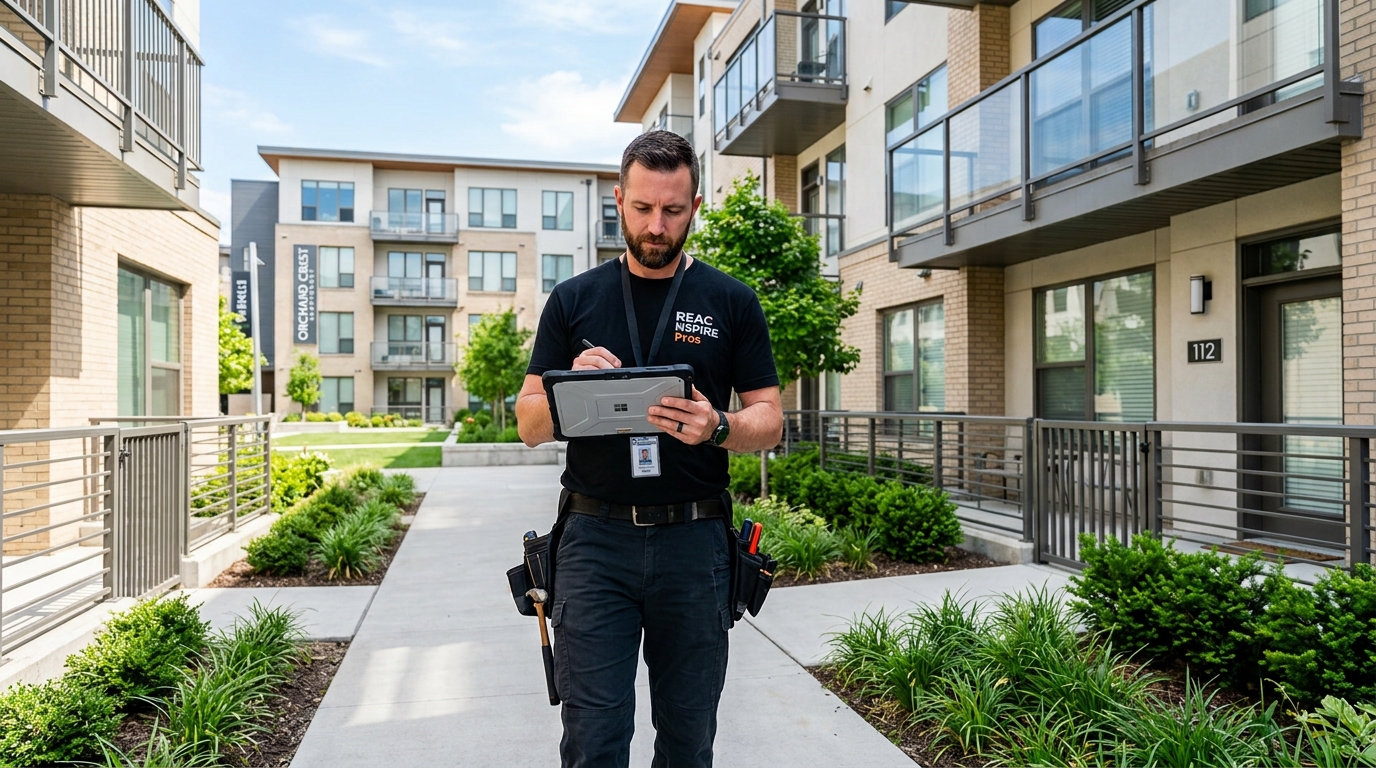
Anyone can hand you a checklist. What changes a result over more than one cycle is your team understanding why an item is on it. We survey, explain the reasoning, and stay available through the cycle rather than to the date.
Try it
No two property types fail the same way
A senior community and a scattered-site family portfolio share a standard and almost nothing else. Pick the closest to yours to see where findings tend to concentrate.
—
Patterns we see most often, not rules. Your own concentration depends on construction era, systems and what your last inspection found, which is what the walkthrough establishes.
What consulting means here
A checklist tells you what. It does not tell you why.
The difference matters more than it sounds. A team working from a list closes the items on it and stops. A team that understands why an item is scored starts noticing the same class of problem elsewhere, in units nobody surveyed and in months when nobody is inspecting.
So we explain the reasoning behind every finding: what the standard requires, why the condition fails it, and what compliant looks like. Not because it is a nicer way to work, but because it is the only version that survives past one cycle.
The other half is staying reachable. Questions arrive once repairs begin, and they are usually specific: does this fix satisfy the requirement, does this count as the same finding, is this worth doing before the date. Answering those is part of the engagement rather than a separate call.
For the survey itself, see NSPIRE inspection. Where the same findings return every cycle, a capital needs assessment answers a different question. And where the gap is what the crew notices day to day, staff training is the more direct fix.
When to book
Sixty to ninety days is the comfortable window
Not because the survey takes that long. Because repairs do, and because procurement, access and contractor availability are what actually set the timeline.
Everything is possible
Enough runway for procurement, contractor scheduling and access coordination in occupied units. Capital items can still be discussed rather than deferred.
Most things are possible
Comfortable for the majority of findings. What tightens is anything needing a part ordered, a specialist trade, or access to every unit.
Triage, and honestly labelled
The work becomes establishing what will be found and what can realistically close before the day. We will say what does not fit rather than produce a plan nobody can complete.
The cheapest place to be
The only position where every option is open, and the one almost nobody calls from. Work can be budgeted across quarters rather than compressed into weeks.
Where a date is already close, we can usually mobilise quickly and the report still lands within 48 hours of the walkthrough. That is covered under emergency pre-inspection, and it is a genuinely different engagement from this one: triage against a deadline rather than preparation with room to work.
Standards
What the engagement covers
Structured around how the property will actually be assessed, and around your specific history rather than a generic template.
Prior reports reviewed before we arrive
Past inspection results tell us which areas have historically carried findings at this property. Recurring items are the most valuable thing in that history, because they usually mean something structural rather than a maintenance lapse.
All three inspectable areas walked
Inside the unit, inside the building, and outside, in the sequence an inspection follows. The unit area carries the most weight and is the one your own team has least routine access to.
Severity assigned at the point of observation
Life-threatening, severe, moderate or low, applied on site rather than sorted afterwards. Anything life-threatening is raised with your team the same day, because that window runs from identification.
The reasoning written alongside the finding
What the standard requires, why the condition does not meet it, and what a compliant correction looks like. This is the part that keeps working after we leave.
Ranked by consequence, not by convenience
A repair sequence ordered by what each item costs rather than by trade, floor or ease. Those two orderings rarely match, and the difference between them is where preparation budgets get spent unproductively.
Available through the correction period
Questions on specific findings, clarification on what a correction has to achieve, and confirmation on whether completed work meets the standard. Included, not billed separately.
Inside our engagement
Three stages, one documented standard
History before the visit
Property type, unit count, programme, inspection window and prior results. Reviewing the history first is what turns a generic walkthrough into one that knows where to look.
Written in 48 hours
Every finding classified, photographed and explained, with the repair sequence ordered by consequence. Life-threatening items flagged the same day rather than held for the document.
Reachable while it matters
Questions answered while repairs run, and a follow-up walk confirming each documented deficiency was actually resolved rather than addressed at the surface.
How we are paid
We do not sell the repairs we recommend
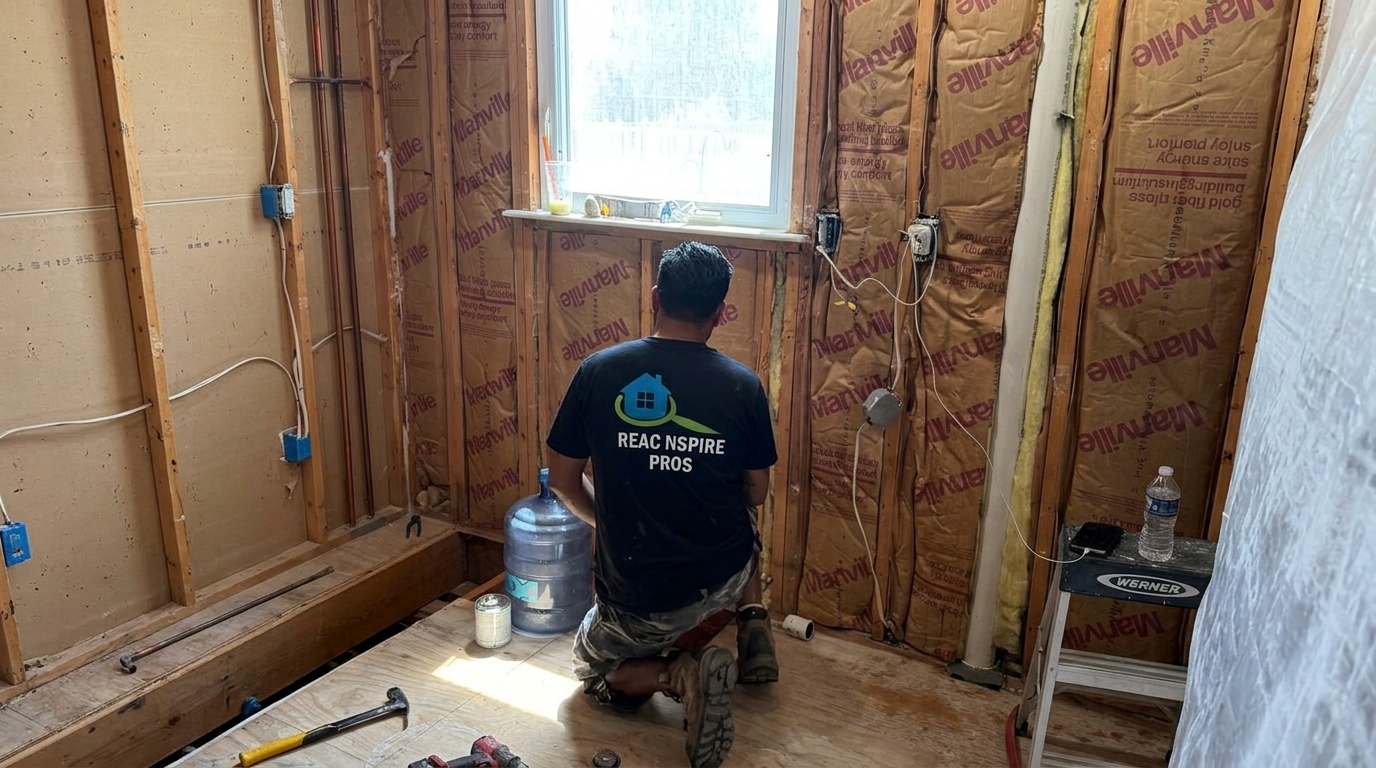
The engagement is identification and documentation. Your own crew or contractors carry out the work. That is worth stating plainly because it removes an incentive that is otherwise always present.
A firm that finds deficiencies and then quotes to fix them has a reason to find more of them. We have none, which is also why we will tell you when an item is not worth doing before the date, or when a finding is accurate and not worth challenging.
Flat rate works the same way. The price does not move with the number of findings, so a thorough survey costs exactly what a light one would.
- Consulting only, with no repair revenue
- Flat rate regardless of what the walkthrough finds
- Quoted before anyone travels
- A clear no when that is the right answer
A team working from a list closes the list. A team that knows why starts finding the same problem everywhere else.Sam AmoyelleFounder, REAC Nspire Pros
Areas we serve
Every state, same standard, same flat rate
Dispatched from Philadelphia through a field network of 50+ consultants, with no distance surcharge and no regional exceptions.
Start before the date rather than because of it
Tell us your property type, unit count, state and inspection window. Flat rate quoted before anyone travels.
Frequently asked
NSPIRE consulting questions
How far in advance should we schedule?
Sixty to ninety days before the expected inspection is comfortable. That is not how long the survey takes; it is how long repairs, procurement and access coordination take.
We can work to tighter deadlines and often mobilise within a day, but earlier simply gives more room for anything complex.
What happens if our property fails?
Two things start at once. A score below 60 requires a survey of the entire property, including all units and inside and outside areas, submitted to HUD. That is separate from correcting the cited findings.
If there are grounds to challenge, technical review must be filed within 45 calendar days of the report being provided. See score appeal consulting and recovery.
What does NSPIRE consulting cost?
Flat rate, with no hourly billing and no variable charge based on how many deficiencies are found. One price confirmed before any consultant travels.
Call or email with your property type, unit count and state for a direct quote.
Do you handle repairs as part of the engagement?
No. We identify, document and explain; your own crew or contractors do the work. That is deliberate, because a firm that quotes to fix what it finds has a reason to find more.
We stay available through the correction period to confirm whether completed work satisfies the standard, which is the part that actually needs our involvement.
Does this work for both residential and commercial HUD properties?
The assessment applies to HUD-assisted residential property: public housing, project-based multifamily, Section 202 and 811, RAD-converted and mixed-finance developments.
Where a property has commercial space attached, tell us at scoping so it is handled correctly rather than assumed either way.
Is there support after the initial consultation?
Yes, through the correction period and included in the engagement. Questions on specific findings, clarification on what a correction needs to achieve, and a follow-up walk confirming resolution.
That follow-up is where the difference between resolved and addressed usually shows up, and it is worth using.
Which states do you cover?
All 50, at the same flat rate with no distance surcharge. The Mid-Atlantic is dispatched from Philadelphia same-day; everywhere else runs through the field network on the same protocol and report format.
How is this different from a pre-inspection walkthrough?
The survey is the same. What differs is what comes with it: the reasoning written against each finding, prior reports reviewed beforehand, and availability through the correction period rather than at handover.
If you only need the findings and your team knows what to do with them, the inspection page describes that engagement.