
NSPIRE vs REAC Inspections: What’s Changed and What Property Owners Need to Know
February 24, 2026
- By
- REAC NSPIRE Pros Inc.
- HUD Inspection Compliance Specialists
NSPIRE vs REAC Inspections: What’s Changed and What Property Owners Need to Know, and how does it affect your next HUD inspection? At REAC NSPIRE Pros Inc., we’ve been helping property owners navigate federal housing inspections for years of experience, and we’ve watched the transition from REAC to NSPIRE reshape how properties are evaluated, we recently walked a homeowner through a failed inspection that would have passed under the old scoring model. The risk is no longer just a low score – it’s subsidy interruption, mandatory repairs under tight deadlines, and potential loss of funding. We’ve seen properties flagged for life-safety deficiencies that were previously considered minor. If you’re preparing for an upcoming inspection, start with a pre-REAC inspection and consulting review to identify gaps before an official visit.
What Governs REAC and NSPIRE Compliance
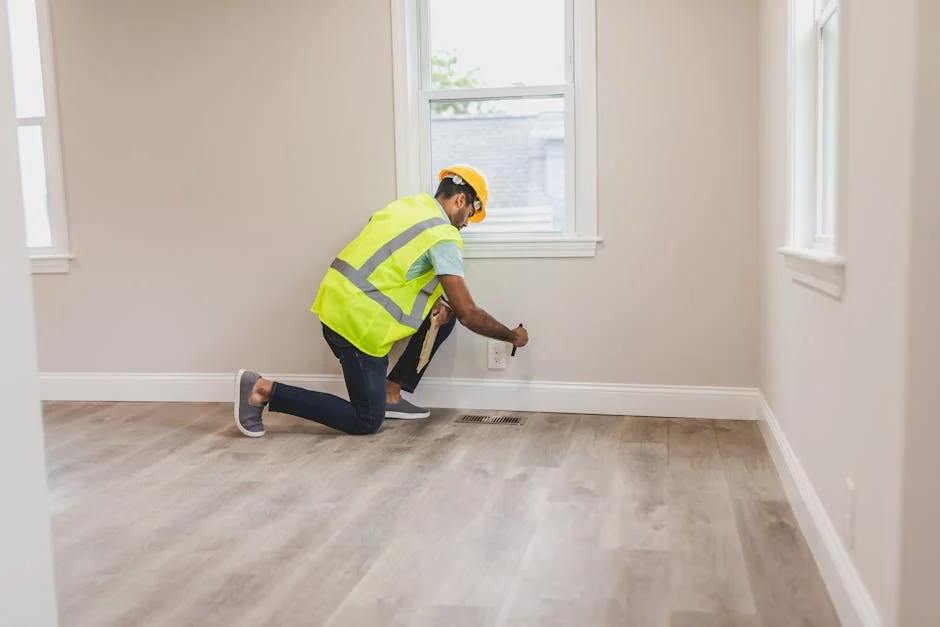
HUD-assisted properties must comply with federal inspection standards while also meeting locally adopted building and safety codes. Climate factors such as freeze-thaw cycles, humidity, and seasonal storms can expose roofing, handrails, and electrical systems to faster deterioration – conditions inspectors often flag under NSPIRE’s health and safety focus. REAC inspections were governed under HUD’s Public and Indian Housing regulations and the Uniform Physical Condition Standards (UPCS). NSPIRE formally replaces UPCS and updates inspection authority under federal rulemaking.
- 24 CFR Part 902 – Public Housing Assessment System (PHAS) – Establishes how HUD scores physical condition inspections and determines compliance status. Poor scores can result in corrective action plans, increased oversight, or funding consequences.
- 24 CFR Part 5 Subpart G – Physical Condition Standards and NSPIRE – Defines current physical inspection requirements under NSPIRE, including health and safety deficiency categories and required correction timelines. Non-compliance may trigger enforcement actions and mandatory repairs.
- 24 CFR Part 983 – Project-Based Voucher Program – Requires assisted units to meet HUD housing quality standards, now aligned with NSPIRE protocols. Failed inspections can suspend housing assistance payments.

Understanding Practical NSPIRE vs REAC Inspection Differences
Many homeowners ask whether the change from REAC to NSPIRE really affects them. In practice, it changes preparation strategy, documentation, and repair prioritization.
One owner focused heavily on landscaping and exterior paint, assuming that would protect their score. NSPIRE inspectors instead cited missing handrail returns and inoperable bathroom exhaust fans affecting moisture control. Which should you choose? In reality, HUD chooses the protocol. If your property is under HUD oversight today, you should prepare for NSPIRE. Consider:
| Criteria | REAC (UPCS) | NSPIRE |
|---|---|---|
| Primary Focus | Overall property condition | Health & safety inside units |
| Scoring Method | Weighted area-based scoring | Deficiency severity-based scoring |
| Life-Safety Repairs | Often less time-sensitive | 24-hour or 30-day correction deadlines |
| Documentation | Inspector notes & photos | Digital photo-verified deficiency tracking |
| Owner Preparation | Exterior & common areas emphasized | Unit-by-unit readiness critical |
- If you manage HUD-assisted units: prepare for unit-focused inspections.
- If you previously passed REAC with marginal scores: expect stricter enforcement.
- If you’re unsure about compliance gaps: schedule a mock inspection before your official date.
Not Sure How NSPIRE Affects You?
If you’re unsure whether your property is ready under NSPIRE standards, we can help you evaluate the risks before HUD does. Our team reviews units using the same deficiency criteria inspectors apply, prioritizes life-safety corrections, and helps you understand how scoring may impact funding or compliance status. We focus on practical fixes – handrail anchoring, GFCI verification, smoke alarm placement, moisture control – not cosmetic distractions. A low-pressure assessment gives you clarity on what truly matters and what can wait. If you want a second set of experienced eyes before your next inspection cycle, we’re ready to walk the property with you and outline next steps.

FAQs
What are the biggest NSPIRE vs REAC inspection differences for homeowners Nationwide?
The biggest change is the shift toward unit-level health and safety. Under REAC’s UPCS model, exterior conditions and common areas heavily influenced scoring. NSPIRE places stronger emphasis on conditions inside each dwelling unit, such as smoke alarms, GFCI protection, guardrail stability, and mold or moisture issues. Inspectors now classify deficiencies by severity, and certain life-safety issues require correction within 24 hours or 30 days. For homeowners Nationwide with HUD-assisted units, this means preparation must be room-by-room. We recommend testing all smoke detectors, verifying handrails are firmly anchored into framing, and using a simple outlet tester to confirm proper wiring. Documentation also matters more. Keeping date-stamped repair records can protect you if there is a dispute over correction timelines. The inspection is no longer about appearances – it’s about measurable safety compliance.
Does NSPIRE replace REAC completely?
Yes. HUD has officially transitioned from the former REAC UPCS model to NSPIRE as the governing inspection protocol for public housing and many assisted housing programs. Although many owners and agents still refer to a “REAC inspection,” the standards currently enforced are based on NSPIRE regulations under 24 CFR Part 5 Subpart G. This shift represents more than a simple name change. The scoring methodology, definitions of deficiencies, and required repair timeframes have all been significantly updated. NSPIRE places a stronger emphasis on health, safety, and functional defects inside dwelling units. Conditions such as missing or inoperable smoke alarms, carbon monoxide detectors, blocked egress, exposed electrical wiring, and mold or moisture intrusion now carry substantial weight in scoring. In contrast, certain cosmetic or exterior issues that once affected UPCS scores may have less impact if they do not pose a direct safety risk. Property owners and managers should carefully review HUD’s published NSPIRE standards and align maintenance plans, inspection routines, and staff training with current requirements. Relying on outdated UPCS assumptions is a common and costly mistake that can lead to unexpected findings and lower scores.
How much does it cost to prepare for an NSPIRE inspection, and how long does it take?
Preparation costs vary based on the size, age, and overall condition of the property. For a small residential property, a basic pre inspection review may begin at a few hundred dollars, particularly when only minor corrections are anticipated. Larger multifamily communities or mixed use properties typically require more coordination, documentation, and oversight, which can increase costs into the several thousand dollar range. Expenses are influenced by factors such as site complexity, accessibility, current code compliance, material pricing, and the total scope of identified repairs. Project timelines differ as well. Simple updates like replacing smoke alarms, securing loose handrails, adding GFCI outlets, or addressing minor trip hazards can often be completed within a few days. More extensive work, including structural stabilization, moisture remediation, roofing repairs, or electrical panel upgrades, may require several weeks to complete properly. We generally recommend initiating preparation at least 30 – 60 days prior to an anticipated inspection cycle to allow sufficient time for scheduling and corrections. All figures provided are preliminary benchmarks for informational purposes only. A thorough on site evaluation is necessary to develop an accurate, detailed proposal.
Can homeowners prepare for NSPIRE inspections themselves, or should they hire professionals?
Homeowners can take care of several basic readiness tasks before an inspection, especially those that involve visible safety and maintenance items. Simple steps such as replacing smoke alarm batteries, installing tamper-resistant outlet covers, tightening loose door handles or cabinet hardware, and clearing all egress paths can make a meaningful difference. Testing ground fault circuit interrupter outlets with a plug-in GFCI tester, checking that windows open and lock properly, and visually inspecting for peeling paint, water stains, or trip hazards are also practical do it yourself measures. These actions help create a safer environment while addressing common deficiencies. However, when concerns extend to electrical wiring, loose or improperly anchored handrails, signs of moisture intrusion, ventilation performance issues, or potential structural concerns, a professional evaluation becomes important. NSPIRE classifications are technical and based on specific severity standards. Misunderstanding these categories can lead to incomplete repairs or missed correction deadlines. For properties with HUD funding or compliance requirements at stake, scheduling at least one professional walkthrough before the official inspection provides added confidence. The financial and administrative consequences of a failed inspection often exceed the cost of expert guidance and preventive review.
What warning signs suggest a property might fail under NSPIRE?
Common red flags include inoperable smoke or carbon monoxide alarms, missing GFCI protection near sinks and other wet areas, loose or unstable stair rails, damaged guardrails, visible mold growth, and blocked or restricted emergency exits. Inspectors also look for sharp edges that could cause injury, exposed or improperly secured wiring, and signs of water intrusion around windows, doors, or roof penetrations. Staining, peeling paint, or soft drywall can indicate ongoing moisture problems that require prompt attention. We recommend conducting thorough self-checks at least once per quarter. Press the test buttons on all smoke and carbon monoxide alarms to confirm they sound properly, and replace batteries as needed. Inspect caulking and sealant around tubs, showers, sinks, and windows for cracks or gaps. Confirm that handrails and guardrails are firmly secured with no movement when pressure is applied. Make sure bedroom windows open fully and remain unobstructed to allow for emergency escape. Document each inspection with dated photos and brief notes. Consistent maintenance reduces the risk of serious deficiencies and demonstrates good faith compliance if concerns arise.
Are there common inspection issues specific to properties Nationwide?
seasonal weather changes frequently contribute to moisture related inspection findings, especially in regions that experience wide temperature swings. Repeated freeze-thaw cycles can gradually loosen exterior rail anchors, fasteners, and masonry connections. As materials expand and contract, sealants may crack or pull away from joints, creating small gaps where water can intrude. Over time, this moisture intrusion may present as interior staining, peeling paint, deteriorated drywall, or even mold growth. Left unaddressed, these issues often draw attention during NSPIRE inspections. Ventilation problems are also common. Bathroom exhaust fans that terminate in attics instead of venting directly outdoors allow humid air to accumulate in enclosed spaces. This trapped moisture can lead to condensation on framing members, insulation damage, and microbial growth, all of which are conditions inspectors routinely cite. Electrical systems deserve similar attention. Many older properties lack GFCI or AFCI protection in kitchens, bathrooms, laundry areas, and bedrooms where modern standards expect them. Proactively upgrading these components improves resident safety and reduces compliance risk. Consistent, seasonally focused maintenance remains one of the most effective strategies for preventing avoidable inspection findings.
What should homeowners look for when hiring an inspection consultant?
Look for professionals who have a strong working knowledge of HUD regulations, particularly 24 CFR Part 5 Subpart G and the PHAS scoring framework. A qualified consultant should understand how inspection protocols have evolved and be comfortable working with both the legacy REAC model and the current NSPIRE standards. This background shows that they can interpret scoring changes accurately and anticipate how deficiencies may affect overall performance ratings. Ask whether the consultant conducts thorough unit by unit walkthroughs rather than relying on sampling alone. They should provide detailed written reports that use official HUD terminology and clearly categorize each deficiency. Photo documentation is essential to support findings and help prioritize repairs. It is also important to confirm that the consultant carries appropriate insurance coverage and understands local building code enforcement requirements Nationwide. A knowledgeable advisor will explain not only what deficiencies exist, but also how severity levels influence correction timelines, funding implications, and compliance risk. Clear communication, organized documentation, and practical corrective guidance are critical qualities to look for.
What should I do if I discover a potential NSPIRE violation before inspection?
Begin by carefully documenting the condition with clear, date stamped photos from multiple angles. Good documentation creates a record of when the issue was identified and demonstrates that you are taking proactive steps toward correction. If the problem involves life safety concerns, such as a missing smoke alarm, exposed wiring, a loose electrical outlet, gas odor, or an unstable handrail, take immediate action to correct it. Issues that pose a direct risk to occupants should never be postponed. Many minor deficiencies can be resolved the same day if you have the proper materials, replacement parts, and basic tools available. For concerns involving structural damage, ongoing moisture intrusion, mold growth, plumbing leaks, or electrical system upgrades, arrange for a qualified professional to evaluate the situation as soon as possible. While most NSPIRE findings are not urgent emergencies, waiting too long to address them can significantly shorten your repair window if an inspection is scheduled earlier than anticipated. Acting promptly preserves scheduling flexibility, reduces stress, and lowers the risk of failing an official review.