
Top 10 Common HUD REAC Inspection Deficiencies and How to Fix Them
March 19, 2026
- By
- Reac nspire pros
- HUD REAC Inspection Specialists
Many property owners think passing a HUD REAC inspection is simply about having a clean site. At Reac nspire pros, we’ve been helping clients navigate HUD inspections for years, and we know the reality is far more technical. Each point lost during a REAC evaluation can affect funding eligibility and management scores, especially when overlooked deficiencies are tied to safety or accessibility standards. That’s why our team focuses on identifying and correcting these issues long before HUD arrives. You can learn more about our full REAC inspection services and how we prepare properties for success. We once inspected a property that failed due to dozens of easily preventable issues like missing smoke detectors and cracked window seals. Ignoring details like these can lead to corrective action orders and financial penalties. Understanding common inspection myths and their real solutions is the best way to stay compliant and protect your property’s value.
How regulations shape compliance and inspection outcomes.

Every REAC evaluation is guided by HUD’s Uniform Physical Condition Standards (UPCS) and updated protocols under the NSPIRE system. Ensuring compliance means following both federal codes and local safety regulations. Here’s what professionals reference:
- 24 CFR Part 902 – Public Housing Assessment System – Sets the scoring formula and requires all units meet health, safety, and structural guidelines. Consequences: failing properties risk reduced funding or asset reclassification.
- HUD NSPIRE Standards (2023 Interim Guide) – Defines inspection points and hazard levels, replacing previous UPCS elements. Non-compliance results in mandatory corrective action orders.
- 2025 International Building Code (IBC) Section 305 – Addresses safety requirements for interior spaces, including structural stability and accessible pathways. Failure to meet structural or ADA-related standards can trigger REAC deductions and accessibility violations.
- NFPA 72 National Fire Alarm Code (2025) – Governs smoke and CO detector placement, testing, and maintenance. Missing or inactive alarms violate fire safety categories and affect REAC scoring.
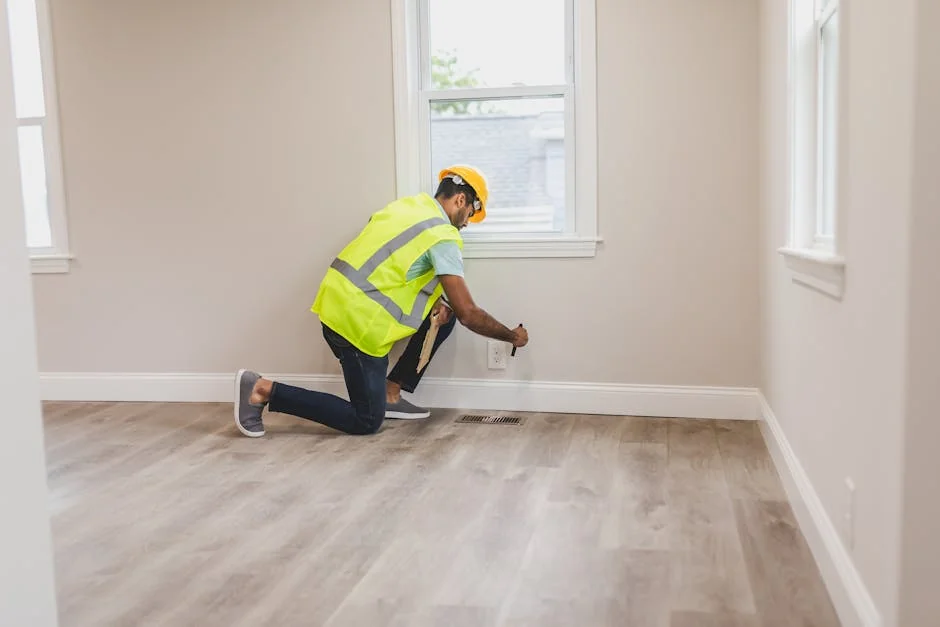
Repair strategies, cost insights, and when to call experts.
Understanding deficiencies is only half the work – solving them efficiently avoids point losses. Based on our field experience, these are the most practical responses:
- Address water damage fast – Leaks, mold, or roof issues can drastically reduce safety scores. Roofing repairs may range from $600 to $4,000 depending on scope. Always use moisture meters to confirm dryness before closing walls.
- Repair tripping hazards – Replace cracked sidewalks with ADA-compliant slope finishes. Corrective work may take a day or two but prevents serious safety deductions.
- Fix electrical safety issues – Replace missing covers and ensure GFCI outlets operate properly. Using UL-listed devices reduces future maintenance needs.
- Replace damaged doors and windows – Weather stripping and frame realignments may cost $150 – $800 per unit. These repairs prevent air leakage and water intrusion, improving both REAC and energy scores.
- Restore lighting and signage – Replace nonfunctional exterior or hallway lighting. HUD mandates adequate illumination in egress paths to ensure occupant safety.
- Replace missing smoke detectors – Install new battery or hardwired models per HUD audit compliance guidelines. Device replacements can cost $25 – $75 each but prevent automatic inspection failures.
- Maintain HVAC systems – Clean filters, check refrigerant lines, and confirm vent output. Technicians often need 2 – 3 hours per unit for full diagnostic service.
- Update unit cleanliness and pest control – Use professional extermination and ensure sealed trash storage. It protects tenants and preserves your pass/fail outcome.
Get an Expert Compliance Check Before Your Next HUD Inspection
Do not risk your REAC score or your property’s compliance standing. Partner with Reac nspire pros today to secure top performance results that protect your funding, reputation, and peace of mind. Our specialists identify and correct every deficiency before it affects your HUD inspection outcome. With a rigorous pre-inspection process and detailed documentation support, you will understand your property’s status long before the official visit. We use the same evaluation standards as HUD inspectors to ensure total readiness. The sooner you act, the greater your advantage. Schedule your expert assessment now to remove uncertainty, reduce costly surprises, and achieve success on your next inspection with confidence.
FAQs
What are the most common deficiencies found during HUD REAC inspections?
Common deficiencies frequently identified during property inspections include water leaks around plumbing fixtures, missing or damaged smoke detectors, exposed wiring or crowded electrical panels, broken or improperly aligned door hardware, deteriorated paint and exterior surfaces, and uneven or cracked sidewalks that create tripping hazards. These conditions often result when property owners prioritize aesthetic upgrades rather than essential safety and structural maintenance. Each type of deficiency represents a potential point deduction under HUD’s Uniform Physical Condition Standards (UPCS) or the newer NSPIRE inspection model, directly affecting the property’s overall score. By addressing these issues early, owners can prevent costly inspection failures, reduce compliance delays, and maintain safer living conditions for residents. Establishing a year-round preventive maintenance log helps staff track repairs, monitor recurring problems, and plan proactive improvements. This consistent documentation supports long-term compliance, reduces emergency spending, and strengthens readiness for annual REAC assessments.
How can I prepare my property for a REAC or NSPIRE inspection?
Begin with a detailed pre-inspection checklist that follows HUD’s NSPIRE standards so every component of the property is evaluated thoroughly and consistently. Inspect each unit room by room to identify safety issues and maintenance concerns early. Test all smoke and carbon monoxide detectors, verify that alarms are properly mounted, and replace batteries where needed. Examine HVAC outputs to ensure adequate airflow and confirm that filters are clean. Look carefully for any signs of water leaks, plumbing drips, or mold growth, as these can affect both tenant health and inspection scores. Document every observation with clear photographs, noting each repair and keeping all work orders organized for reference. Partnering with professionals skilled in NSPIRE consulting services helps align your property with current compliance and scoring expectations. Assign trained maintenance staff to check lighting levels, outlet covers, secure railings, and accessible pathways that meet code requirements. Schedule a full mock inspection about two weeks before the official review to confirm readiness and correct any overlooked deficiencies. A consistent, methodical approach not only reduces the risk of failed items but also builds confidence for both management and residents. When every unit is verified in advance, inspection day becomes a demonstration of diligence rather than a source of stress.
How much does it cost to fix common HUD REAC deficiencies?
Repair costs can vary widely depending on the nature, location, and severity of the issues identified during inspection. Minor repairs – such as replacing worn outlet covers, installing new smoke detectors, or tightening loose handrails – typically range from about $25 to $100 per item, depending on materials and accessibility. More substantial repairs, including HVAC tune-ups, roof patching, concrete replacement, or sidewalk leveling, may range from $500 to $5,000 or more. Costs are influenced by factors like site complexity, equipment needs, material prices, and the total number of items requiring attention. Whenever possible, we coordinate multiple tasks across different units or areas during a single visit, helping clients reduce both labor time and staging costs. Although these estimated amounts provide a useful preliminary reference, they are not binding quotes. An on-site evaluation is always required to produce a detailed, accurate final proposal tailored to your property’s specific repair needs.
Can I handle small REAC repairs myself, or should I hire a professional?
Basic fixes such as tightening loose screws, replacing outlet covers, or reattaching handrails can typically be handled internally when maintenance personnel have received proper training and follow safety procedures. However, more complex issues involving structural integrity, electrical wiring, gas lines, or fire-safety systems must always be addressed by licensed and certified professionals. These specialists ensure that every repair meets HUD and local building codes, helping maintain full compliance and preserve the property’s inspection rating. When contracting outside help, it is wise to select experts with extensive knowledge of HUD’s UPCS or NSPIRE standards. Qualified professionals not only complete accurate, code-compliant repairs but also supply detailed documentation, including before-and-after photos and service reports. This recordkeeping supports REAC inspections, verifies compliance during audits, and helps prevent potential fines or corrective action plans, protecting both residents and property owners long term.
What are early warning signs that my property might fail a REAC inspection?
Warning signs of property deficiencies can appear in subtle ways long before a formal inspection. Persistent water stains on ceilings or walls, malfunctioning smoke detectors, flickering or dim lighting, uneven or cracked walkways, and visible exterior decay all point to deeper maintenance issues. When residents repeatedly report inefficient HVAC systems, fluctuating room temperatures, or ongoing moisture damage, these complaints should be taken seriously because inspectors will likely notice similar concerns. During property walkthroughs, examine all paint surfaces for peeling that exposes bare metal or wood, check for active leaks near water heaters or plumbing lines, and verify that outlet covers are intact and secure – each missing or damaged component can result in a HUD deduction. Consistently tracking maintenance requests throughout the year allows managers to identify recurring problems early. Scheduling routine inspections through preventive maintenance services helps address issues proactively, preserving compliance ratings and occupant safety.
What are the most frequent safety violations under HUD's NSPIRE standards?
Common NSPIRE safety violations often relate to essential life-safety systems and general building hazards that directly affect resident well-being. Typical issues include missing or nonfunctional smoke detectors, tripping hazards along egress routes, exposed or damaged electrical wiring, and malfunctioning GFCI outlets that fail to provide adequate protection against electrical shock. Heating units that lack proper venting or emit combustion gases into living spaces are particularly dangerous and can result in immediate point deductions. Similarly, poorly secured guardrails on stairs, balconies, or elevated walkways pose significant fall risks. HUD’s NSPIRE framework classifies each deficiency by severity, and even small problems near areas of high resident activity can quickly escalate to serious penalties. Electrical, moisture, and environmental deficiencies – such as corrosion, active leaks, mold, or standing water – consistently lead to major score reductions and create unsafe conditions. Regular preventive inspections, including quarterly fire safety and electrical system checks, are the best way to identify risks early, correct deficiencies before inspections, and maintain consistent compliance with HUD’s safety standards. By documenting and prioritizing repairs promptly, property managers can preserve resident safety while protecting operational scores.
What qualifications should I look for when hiring a REAC preparation professional?
Select professionals with verified and documented experience in both HUD UPCS and NSPIRE inspection systems. These standards require detailed knowledge of federal property guidelines, so choosing inspectors trained under these specific protocols ensures accurate assessments. Always check that each professional holds valid licenses for the relevant trades, including electrical, plumbing, and HVAC systems. Proper licensing demonstrates technical competence and compliance with local regulations. In addition, confirm that the inspector maintains general liability and workers’ compensation insurance to protect you from potential claims or accidents during inspections. Review their past performance, portfolio, or online testimonials related to HUD-assisted or federally funded properties. When possible, choose experts who also provide follow-up services such as REAC consulting, compliance documentation, or pre-inspection walkthroughs. Experienced professionals using HUD’s official deficiency dictionary and inspection scoring matrix can help ensure your repairs lead to measurable improvements and higher overall property scores.
What should I do if I receive a failing REAC score?
If you receive a failing or conditional REAC score, take immediate and organized action to correct the issues. Begin by carefully reviewing the official HUD inspection report, which details every observed deficiency by category, location, and severity level. Prioritize life-safety hazards first, such as exposed wiring, missing smoke or carbon monoxide detectors, and blocked emergency exits. Address these items right away to protect residents and demonstrate good faith corrective efforts. Next, document all completed repairs through dated photos, work orders, and invoices. Notify HUD once repairs are finished, keeping complete files for your compliance records. It is also wise to schedule a follow-up evaluation with a qualified inspection preparation specialist who can verify that every repair meets federal standards. Although this situation does not demand emergency intervention, responding swiftly within HUD’s specified timeframe helps prevent penalties and protects future funding eligibility.