
Tenant Responsibilities Under NSPIRE Standards: What Owners Are Still Accountable For
February 10, 2026
- By
- Reac Nspire Pros
At Reac Nspire Pros, we help homeowners and housing providers prepare for NSPIRE inspections every week, and this article works as a practical checklist for anyone trying to understand where tenant responsibilities end and owner accountability begins. Our team has years of experience translating NSPIRE language into real maintenance actions that pass inspections. This guide is for owners who want clarity, not guesswork. We’ve seen confusion cause real inspection failures. One owner assumed a tenant-caused issue would not count against them, only to fail due to health and safety scoring. That scenario is common, and it’s why we recommend reviewing what the NSPIRE standards are before inspection day.
Codes, standards, and non‑negotiable best practices

NSPIRE inspections prioritize health, safety, and habitability, and local expertise is often the difference between a clean pass and a costly reinspection. National rules apply everywhere, but how those rules show up on site is shaped by local housing stock, climate, and inspection habits. A team that knows the area understands common failure points in older properties, seasonal risks like moisture or heat stress, and how local inspectors interpret deficiency severity. That insight helps owners manage tenant behavior as a risk factor, not a defense, while keeping accountability where HUD expects it to stay. Owners who pass consistently build compliance systems that reflect local realities. Smoke alarms, GFCI outlets, egress windows, and HVAC systems must work on inspection day, and local pros know which items inspectors in the area flag most often. They also align maintenance schedules with HUD correction windows and coach site staff on documentation that stands up during reinspections. Lease language never overrides HUD standards, so preparation has to be operational, not contractual. Local guidance also speeds response times and reduces disruption for residents. Training teams with practical, location specific checklists and workflows helps tenant related issues get caught early. For hands on preparation, we recommend staff training using NSPIRE inspection guidelines so properties are ready every time, not just on paper.
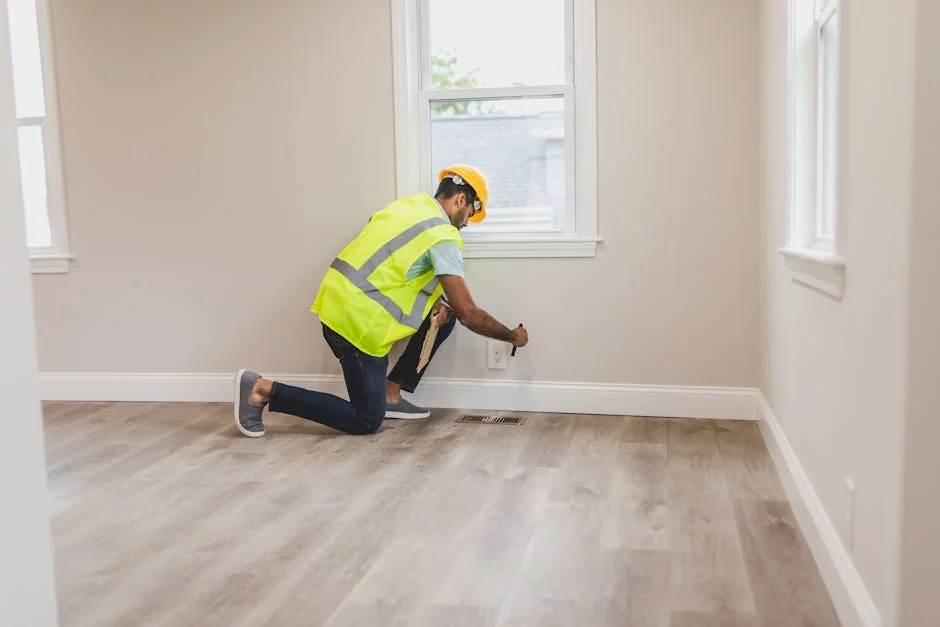
Next steps when tenant actions threaten compliance
When a tenant causes damage, the inspection clock does not pause. The correct response is fast assessment, documented repair, and verification. Our team once worked with an owner where a tenant disabled a GFCI outlet after repeated nuisance trips. The outlet failed inspection because it no longer protected the circuit. We replaced it with a code-rated GFCI, tested with a calibrated plug tester, and logged the repair, but the owner still absorbed the score. Owners should prioritize:
- Life-safety repairs within 24 – 72 hours.
- Functional testing using proper tools, not visual checks.
- Maintenance records tied to unit numbers.
Get Clear on NSPIRE Accountability
If inspection accountability feels unclear, act now. Reac Nspire Pros delivers clear answers before scores are at risk. Our experts walk your property, test units, review files, and pinpoint health and safety issues inspectors score. We translate tenant behavior into owner risk and show how to correct it within HUD requirements. You get a prioritized action plan, documented evidence, and coaching for staff so fixes stick. The payoff is fewer surprises, stronger scores, and protected revenue. Inspection cycles move fast. Waiting costs points and money. Contact Reac Nspire Pros today to schedule an evaluation and secure compliance now. Limited availability makes early action essential.

FAQs
Are owners always responsible for tenant-caused damage under NSPIRE?
Under NSPIRE, property owners are fully responsible for the physical condition of the unit at the time of inspection, regardless of whether a tenant caused the issue. HUD evaluates conditions based on health and safety standards, not on who is at fault for the deficiency. If a tenant removes a smoke alarm, blocks an egress window, disables a carbon monoxide detector, or damages a handrail, the owner is still expected to identify and correct the issue before the inspection occurs. Lease provisions may support cost recovery or enforcement actions after the fact, but they do not prevent citations or protect inspection scores. For this reason, tenant behavior should be treated as an ongoing maintenance risk. Owners and managers should implement regular unit checks, clear reporting procedures, and thorough documentation to demonstrate proactive oversight and reduce the likelihood of preventable failures.
What tenant responsibilities actually exist under NSPIRE standards?
Tenant responsibilities under NSPIRE standards remain limited and largely indirect, with the primary focus placed on property conditions rather than individual behavior. Tenants are generally expected to avoid creating obvious health or safety hazards, to use the unit in a reasonable manner, and to provide access for inspections, maintenance, and necessary repairs. While tenants may report issues or cause damage, NSPIRE does not evaluate or score tenant actions. Instead, the inspection process evaluates the condition of the property itself. As a result, owners and managers retain full accountability for identifying, documenting, and correcting deficiencies, even when those issues stem from tenant behavior or lack of reporting. Owners who rely too heavily on tenants to self manage safety items often experience avoidable inspection failures. Proactive management, clear communication, and routine unit checks are essential to maintaining compliance and reducing preventable deficiencies.
How much does it typically cost to correct tenant-related NSPIRE issues?
Correction costs typically begin in the range of $50 to $150 for relatively minor items such as replacing smoke detectors, carbon monoxide alarms, or damaged outlet covers. More involved repairs, including plumbing adjustments, electrical corrections, or appliance related issues, often fall between $300 and $2,000 or more depending on severity. Final pricing can vary significantly based on site conditions, ease of access, material availability, local labor rates, and the overall scope of identified deficiencies. Older properties or locations with limited access may require additional time and coordination, which can increase total expenses. Repeat visits or follow up repairs may also add to the final cost. All pricing figures provided are intended solely as general reference benchmarks to assist with early planning. They are not guarantees or binding quotes. A comprehensive on site evaluation is necessary to determine accurate costs and provide a formal proposal.
Can owners handle NSPIRE corrections themselves?
Some minor corrections can reasonably be completed in house when staff members are properly trained and closely follow manufacturer instructions, local codes, and documented procedures. Common examples include replacing batteries, mounting approved detectors, labeling panels, or addressing small maintenance items that do not affect core systems. Even with these tasks, it is important to keep records and verify that the work meets inspection standards. More complex concerns, especially those involving electrical wiring, plumbing systems, fire protection, or structural components, usually require licensed professionals. Improper or incomplete repairs can still fail inspection, increase risk, and create ongoing liability for the organization. For this reason, we generally recommend professional involvement whenever work impacts life-safety systems, regulated building components, or any area governed by strict code requirements.
What warning signs suggest tenant behavior could cause inspection failure?
Common warning signs in residential units often point to preventable safety and compliance issues that can escalate if ignored. Disabled or missing smoke alarms reduce early fire detection, while extension cords used as permanent wiring increase fire risk and signal improper electrical practices. Blocked exits and cluttered pathways compromise emergency egress, and missing GFCI protection near kitchens, baths, and laundry areas raises the likelihood of electrical shock. Unreported leaks can lead to mold growth, structural damage, and higher repair costs over time. Regular unit checks help identify these conditions early. Clear reporting channels encourage residents and staff to report concerns promptly. We advise owners to schedule periodic walkthroughs, verify functionality of safety devices, and document conditions with photos and notes. Consistent documentation supports timely corrections, improves accountability, and helps ensure issues are resolved well before inspection day.
What are the most common tenant-related NSPIRE violations?
The most frequent violations consistently involve smoke alarms, carbon monoxide detectors, electrical safety issues, sanitation concerns, and blocked egress paths. While many of these conditions are tenant-influenced, they are still owner-scored during inspections, which often creates confusion and unexpected consequences. Over the years, we have repeatedly seen properties fail inspections due to simple, correctable items that were overlooked because responsibility was assumed to rest solely with the tenant. Missing or nonfunctioning alarms, extension cords used improperly, or clutter blocking exits can quickly lead to serious findings. These issues are rarely complex or expensive to resolve, yet they carry significant weight during compliance reviews. Proactive owner oversight, routine unit checks, and clear communication with tenants can prevent these avoidable violations. Addressing these common problem areas early helps protect residents, preserve inspection scores, and reduce the risk of costly re inspections or enforcement actions.
What should owners look for when hiring NSPIRE professionals?
Prioritize teams that are demonstrably familiar with HUD NSPIRE scoring rather than relying on vendors who only offer general maintenance services. Proven experience with inspection preparation is critical, including an understanding of required documentation, timelines, and record retention. Strong teams know how to identify health and safety risks early and address them in ways that align with NSPIRE standards, not just cosmetic fixes. Ask detailed questions about how deficiencies are tracked from discovery through correction, and how verification is documented for follow up reviews. Reliable providers should use consistent processes, digital tracking tools, and clear communication to prevent repeat findings. Confirm that the team carries appropriate insurance and holds current licenses for regulated trades such as electrical, plumbing, and HVAC. These qualifications reduce risk and help ensure inspection readiness.
When should owners schedule help for tenant-related issues?
Owners should schedule professional help promptly when a tenant related issue begins to affect safety, habitability, or the proper function of building systems. While the situation may not qualify as an emergency, waiting too long can allow minor concerns to grow into serious risks. Electrical faults, plumbing leaks, ventilation problems, or repeated misuse of fixtures can place stress on systems and increase the chance of failure. When issues persist, owners should carefully document the symptoms, dates, and any tenant communications, then plan corrective work well before an inspection or compliance review. Early evaluation by a qualified professional supports informed decision making and realistic budgeting. It also reduces disruption for tenants and helps avoid rushed repairs, code violations, or unexpected expenses. Proactive planning protects both property value and occupant well being over time.